
Oil blotting papers — also called oil-absorbing sheets — are one of the simplest tools in skincare, and one of the most second-guessed. Do they actually work? Are they bad for your skin? Here's the honest answer, plus what it means for brands building a range.
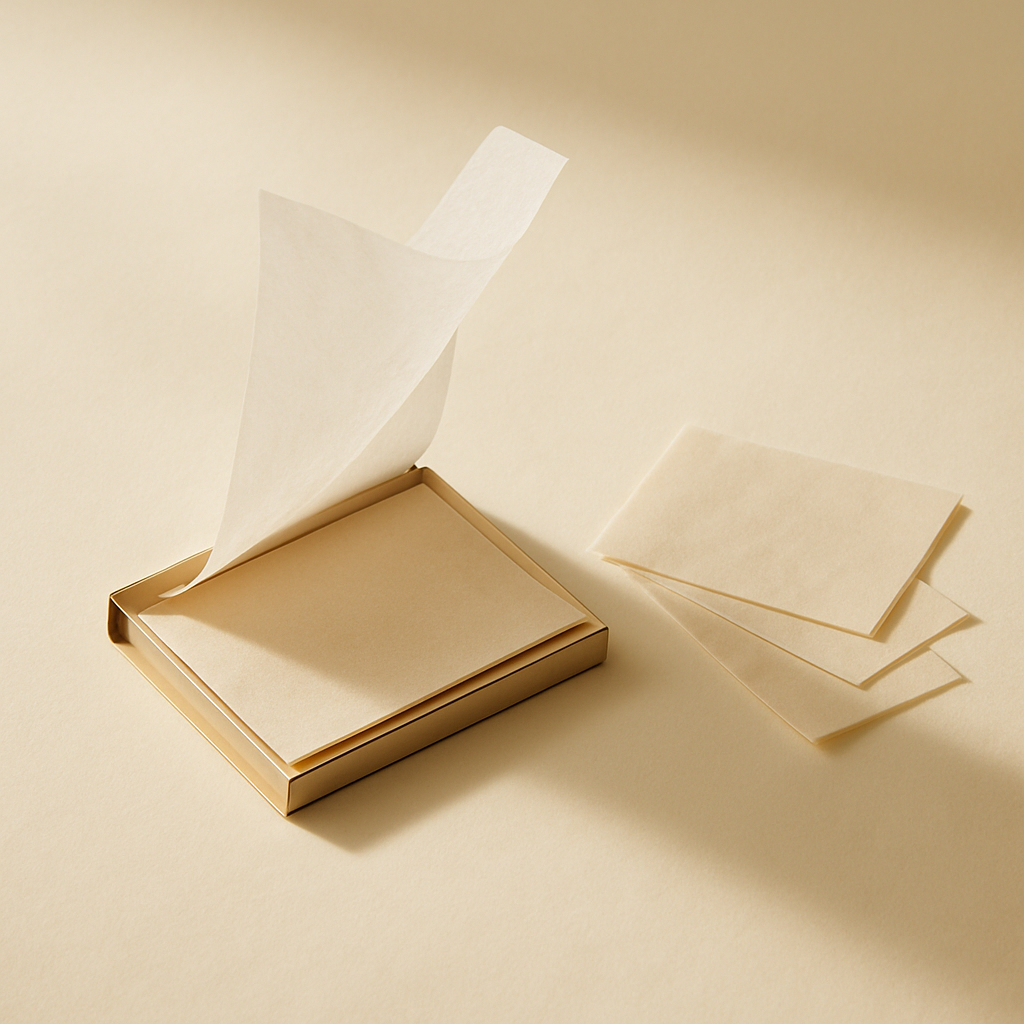 Sample image
Do they work?
Yes — for what they're meant to do. A blotting sheet lifts excess surface oil (sebum) and shine in seconds, leaving a fresher, more matte finish without adding product. It doesn't change how much oil your skin produces; it manages the look in the moment. That's exactly why they're a makeup-bag and on-the-go staple.
Are they bad for your skin?
Used normally, no. Blotting presses oil off the surface — it doesn't strip or over-cleanse, so it won't trigger the "rebound oil" that harsh cleansing can. Two sensible cautions:
- Press, don't rub — rubbing can disturb makeup or irritate; a gentle press is all it takes.
- Choose a gentle material — natural fibres like linen, rice, cotton and bamboo are kind to skin; avoid anything rough.
Blotting is actually gentler than repeatedly washing an oily face during the day, which is why dermatologists often prefer it for midday shine.
How often can you use them?
As often as you like — there's no active ingredient to over-apply. Most people blot once or twice a day (midday and afternoon). The format suits commuters, travel, sport and anyone whose makeup needs a quick refresh.
The material is what matters
Raw absorption and skin-friendliness come down to the base fibre and weight, not the marketing. Dermatologist-favoured materials include linen, rice, cotton, hemp and bamboo. Add-ons like charcoal or green tea bring a story; powder-coated sheets add a re-mattifying makeup touch-up.
"Do they work / are they bad for skin" is the exact research a shopper does before buying — and the answer (yes, and gentle if the material is right) is a selling point. Lead with a quality natural fibre and a clear material story, and you've answered the objection on the page.
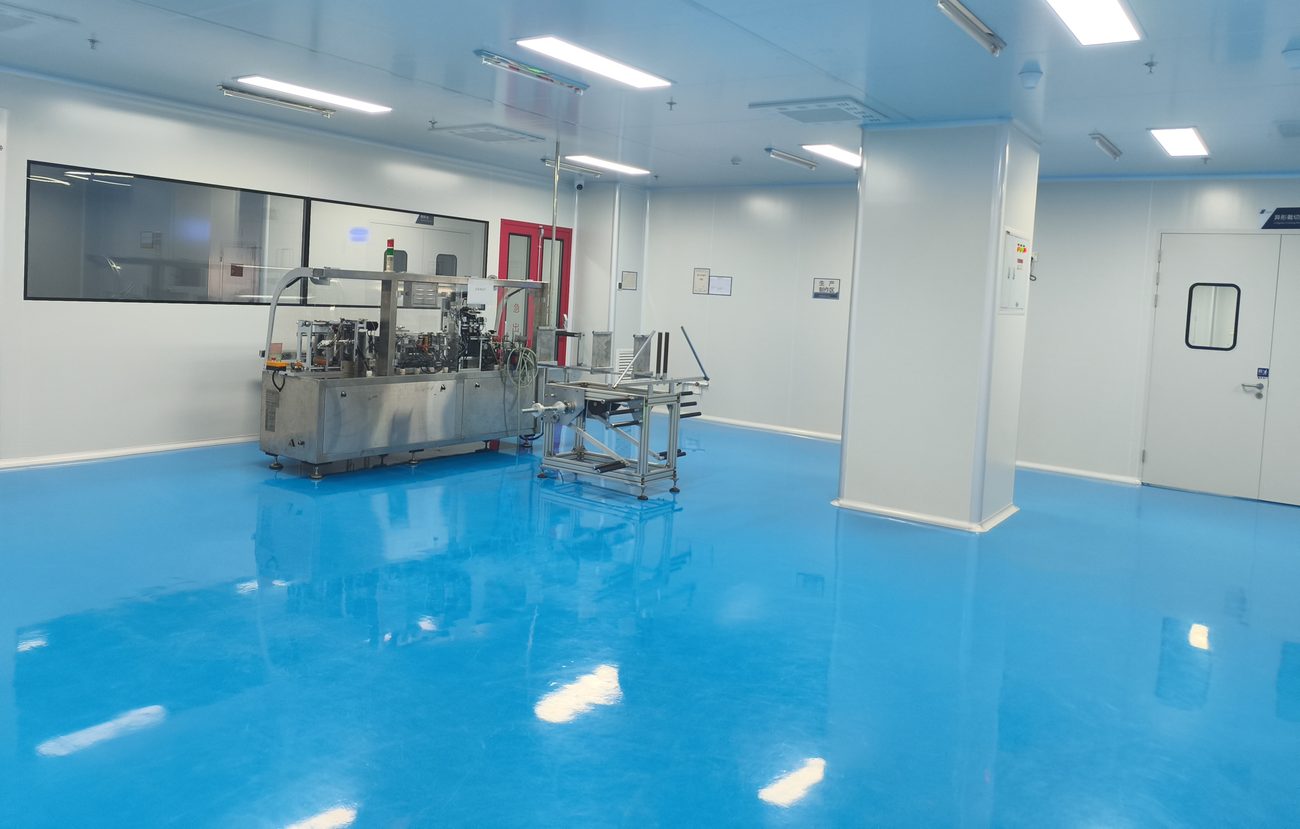 Inside our factory
What this means for your range
- Lead with a good base — linen / rice / natural fibre, the right weight; that's where real quality lives.
- Add a story — charcoal (deep-clean), green tea (soothing), or a setting-powder 2-in-1 ("doesn't ruin makeup").
- Make it gentle & makeup-safe — the answer to the shopper's worry, printed on the pack.
See the full range and materials on the oil blotting paper page.
Building a blotting paper range?
A 20-year specialist making oil blotting paper on the gentle natural fibres shoppers trust — charcoal, green tea, linen, rice, setting-powder & more. Send a brief and we'll return samples.
Request free samples →Free sample set · 24-hour quote · MOQ from 3,000 · natural fibres
Educational content for brand and product teams. Ingredient and claim information is general and varies by market regulation; finished-product claims should be confirmed against the rules of your target market. Yanse Cosmetics is a contract manufacturer (OEM/ODM) and does not sell finished consumer goods under its own brand.