Pre-soaked pads have become one of the fastest-moving formats in oily and acne-prone skincare. They feel effortless, they meter a dose, and they pair an active with a textured base that lifts oil and debris. This guide breaks down the main types of acne pad, the actives worth knowing, and the decisions a brand makes before tooling a formula.
 Sample image
What an acne pad actually is
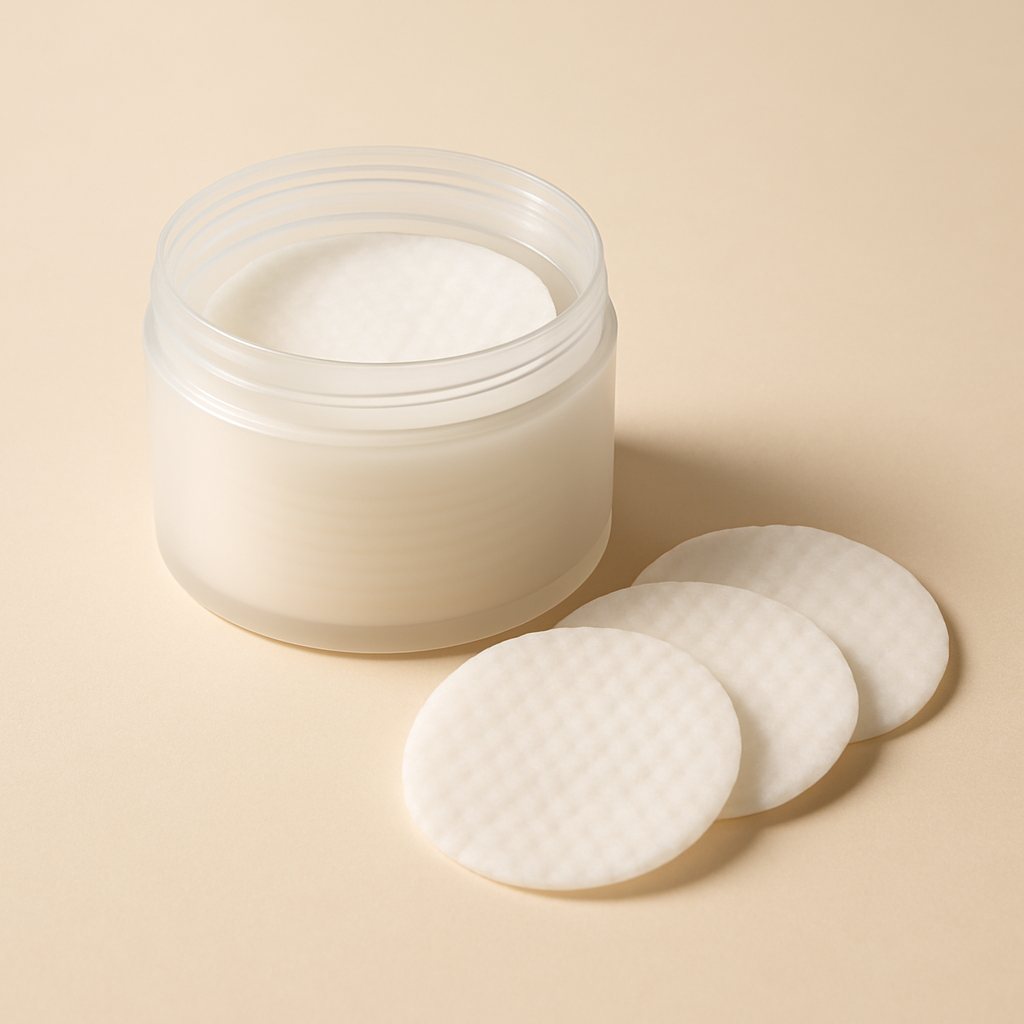
An acne pad is a non-woven or cotton substrate pre-soaked in a water- or essence-based formula, sealed in a jar or single-use sachet. Two things make it work: the base material (which provides the wipe, exfoliation or hold) and the soak formula (which carries the actives). Get either wrong and the pad either feels harsh or does nothing — so most of the formulation work sits in balancing the two.
Because the dose is metered into each pad, the format suits routine-led brands: morning oil-control steps, evening clarifying steps, and travel or sampling. It also lowers the barrier for consumers who find serums and acid bottles intimidating.
The main types of acne pad
Most launches fall into a handful of families. They overlap, but it helps to think in terms of the job the pad is doing.
| Type | What it does | Typical actives |
|---|---|---|
| Clarifying / BHA | Dissolves oil inside the pore, smooths texture | Salicylic acid |
| Brightening / soothing | Targets marks, redness and uneven tone | Azelaic acid, niacinamide |
| Exfoliating | Gentle surface resurfacing | PHA, gluconolactone, enzymes |
| Antibacterial / soothing | Supports a calmer skin surface | Hypochlorous acid, tea tree |
| Barrier / repair | Supports the skin barrier while clarifying | Chitosan, panthenol, ceramides |
| Toning / hydrating | Daily prep, light oil control | Witch hazel-free humectants, mild acids |
The actives that matter
Salicylic acid (BHA)
The workhorse of oily-skin pads. Being oil-soluble, it penetrates sebum and helps clear the pore lining, which supports fewer clogged pores and smoother texture over time. It is widely understood by consumers and well supported by regulation in most markets — which is exactly why it is also the most crowded. A salicylic pad on its own rarely differentiates a brand; the formula around it (buffering, soothing partners, base feel) is where quality shows.
Azelaic acid
Better known for marks, post-blemish tone and redness than for deep oil control. It is gentler in feel than many acids, which makes it attractive for sensitive or reactive oily skin, and it is popular across Asian and Western routines. Azelaic pads read as a 'calming clarity' story rather than a 'strip the oil' story.
PHA and enzymes
Polyhydroxy acids (such as gluconolactone) and fruit enzymes resurface the surface gently with less sting than stronger AHAs. They suit 'everyday' and sensitive-skin positioning and are an easy way to give a pad a tactile, exfoliating reason to exist.
Chitosan and hypochlorous acid
These are the two actives most brands overlook in pad form. Chitosan is a film-forming, skin-friendly material that supports the barrier and a clean feel; hypochlorous acid is a gentle, well-tolerated option associated with a calmer skin surface. Because very few makers offer them as pads, they let a brand tell a genuinely different story rather than launching another salicylic SKU. We cover them in depth in the next-gen actives guide.
The single most common mistake we see in pad briefs is choosing an active before choosing a base. A brilliant active on a scratchy or linting substrate still feels cheap. Decide the experience first, then the chemistry.
Base material, texture and format
The substrate is half the product. Options a brand specifies include:
- Material — pure cotton, microfibre, spunlace non-woven, or embossed/dual-texture (smooth side for application, textured side for sweep).
- Weight and thickness — heavier pads hold more essence and feel premium; thinner pads cost less and suit daily use.
- Soak ratio — how much formula each pad carries; affects feel, cost and how 'wet' the product reads.
- Pack format — resealable jar (60–70 pads), travel tin, or single-use sachets for sampling and subscription boxes.
- Sensorial extras — fragrance-free, vegan, embossing patterns, pad shape.
How brands choose a formula
When a brand briefs us, the decision usually narrows along four axes:
- Strength tier — gentle daily, balanced, or targeted/strong. This sets the active and its concentration.
- Skin story — oil control, clarifying, post-blemish tone, or barrier support. This sets the hero active and supporting cast.
- Differentiation — does the range need a novel angle (e.g. chitosan or hypochlorous) to stand apart from salicylic-heavy shelves?
- Commercials — MOQ, base cost, pack format and target retail price.
A practical approach is a small range rather than a single hero: a familiar salicylic pad to anchor volume, a gentler azelaic or PHA option for sensitive users, and one differentiated active (chitosan or hypochlorous) as the talking point. That covers the shelf without over-tooling.
Claims and compliance
Pad claims are regulated differently across markets. As a manufacturer we keep finished-product language in the 'helps / supports' register and avoid drug-style promises unless the product is registered accordingly in the target market. Brands should confirm permitted claims, active concentrations and labelling for each region before launch — we can advise on what is commonly accepted, but the registered claim set is the brand's responsibility.
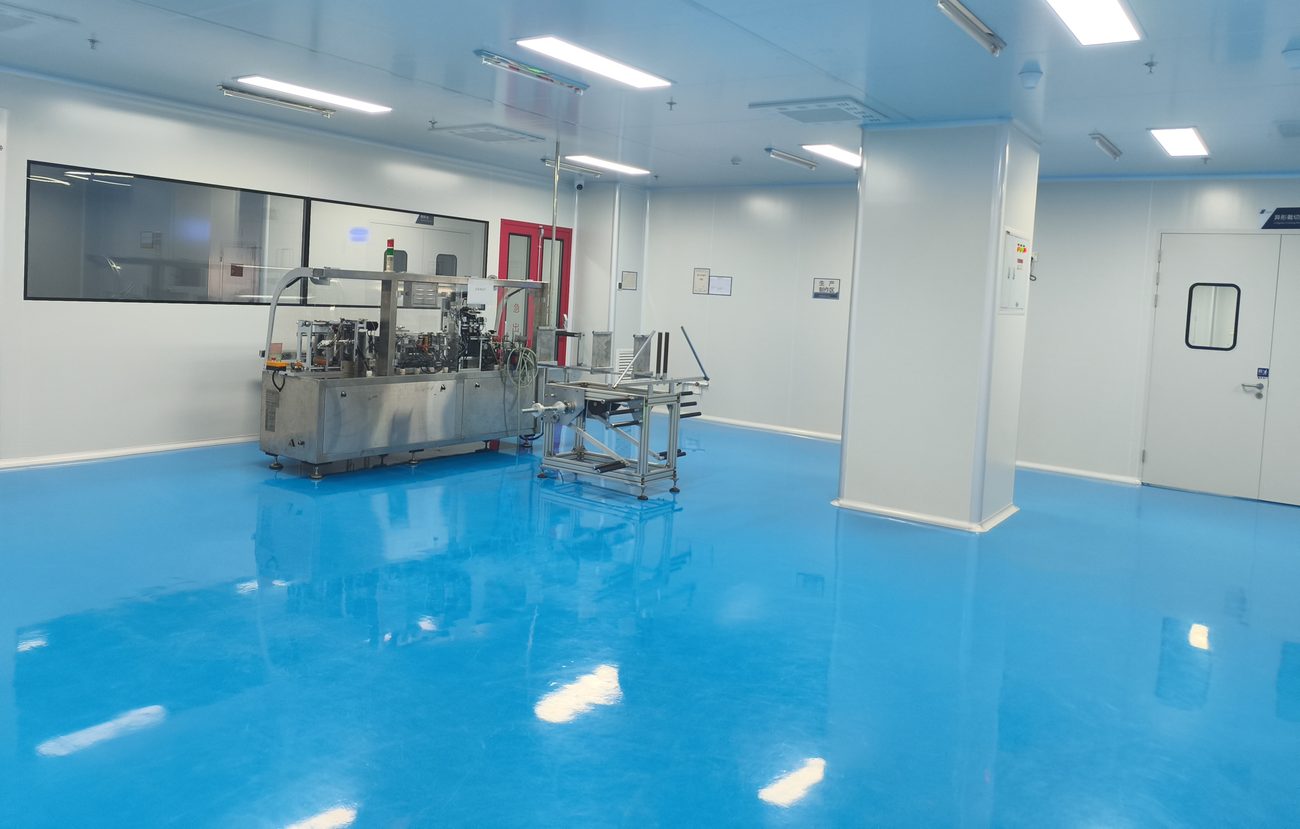 Inside our factory
Working with an OEM on pads
If you are scoping a pad range, the fastest path is a sample round against a short brief: skin story, strength tier, base preference, pack format and target price. From there an experienced oil-and-acne manufacturer can return formulas to taste, including the actives most makers don't offer in pad form. You can see our pad range and request samples on the treatment pads page.
Scoping an acne pad range?
We are a 20-year oil-control specialist making pads, acne patches and blotting paper under one roof — including chitosan and hypochlorous formulas few makers offer. Send a short brief and we'll return samples.
Request free samples →Free sample set · 24-hour quote · MOQ from 3,000 · NNN before any brief
Educational content for brand and product teams. Ingredient and claim information is general and varies by market regulation; finished-product claims should be confirmed against the rules of your target market. Yanse Cosmetics is a contract manufacturer (OEM/ODM) and does not sell finished consumer goods under its own brand.