Acne patches and pads are deceptively simple: a base material plus an active. The base does the physical work; the active does the chemistry. This guide explains what acne patches and pads are actually made of, what each common active does — and the two next-gen actives, chitosan and hypochlorous, that let a brand stand apart.
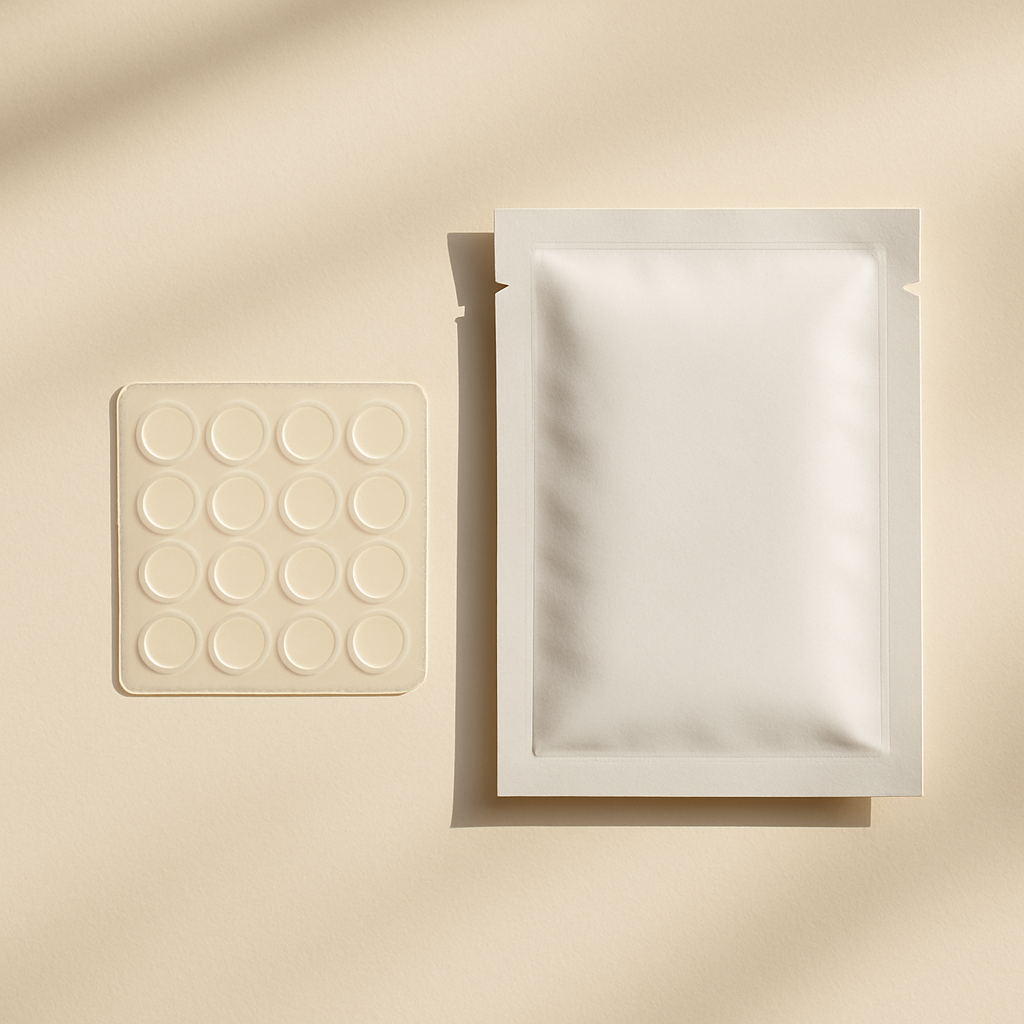 Sample image
What acne patches & pads are made of
Two layers of decision sit inside every patch or pad. The base — a hydrocolloid film for patches, or a cotton/nonwoven substrate soaked in essence for pads — provides the adhesion, absorption and feel. The active carried in or on that base does the targeted work. Most products on shelf draw from the same short list of actives, which is exactly why so many look interchangeable:
- Hydrocolloid — the gel-forming base of most acne patches; absorbs fluid and protects while a blemish heals.
- Salicylic acid (BHA) — oil-soluble; clears the inside of the pore. The workhorse for oily, congested skin.
- Azelaic acid — targets post-blemish marks, redness and uneven tone; gentle in feel.
- Niacinamide — supports oil balance and a more even-looking skin tone.
- PHA / enzymes — gentle surface resurfacing for sensitive skin.
- Tea tree — a botanical, soothing daily-care story.
- Chitosan & hypochlorous — the two next-gen actives most makers can't offer (covered in depth below).
Choosing the base and the active is the whole game. Get the active right and the product works; get a differentiated active and the brand stands apart instead of competing on price. That's where the last row of the list matters most.
Why 'another salicylic pad' is a hard sell
Salicylic, glycolic and azelaic pads are everywhere. They're proven, but the shelf is crowded and buyers can line up a dozen near-identical options. When the active and base are commodities, the only lever left is price. The escape route is an active that buyers can't immediately cross-shop — which is where chitosan and hypochlorous come in.
Chitosan: a barrier-friendly film former
Chitosan is a naturally derived material (from chitin) that forms a light, breathable film on the skin. In a pad it brings a few useful properties:
- Film-forming feel — leaves a smooth, clean finish that signals quality without heaviness.
- Barrier-friendly — supports the skin surface rather than stripping it, which suits the 'gentle clarity' direction of the market.
- Substantive — it has affinity for skin and substrates, so it behaves well in a pre-soaked pad.
- A real story — naturally derived, rarely seen in pads, easy to explain to consumers.
Chitosan pairs well with mild clarifying actives: it can soften the feel of a salicylic or PHA pad while adding its own narrative. For brands building an oil-and-acne range, it also ties to the wider chitosan work we do in acne patches — a coherent ingredient story across formats.
Hypochlorous acid: gentle and well tolerated
Hypochlorous acid is a mild, skin-compatible molecule the body itself produces. In skincare it's valued for being gentle while supporting a calmer, cleaner-feeling skin surface — a useful angle for blemish-prone and easily irritated skin. As a pad it offers:
- Gentleness — low irritation potential, suitable for sensitive and reactive skin.
- A soothing story — supports a calm surface without harsh actives.
- Format novelty — common in sprays, rare as a pre-soaked pad, so it stands out.
- Routine fit — works as a gentle daily or post-cleanse step rather than a strong weekly treatment.
Hypochlorous pads need careful formulation and packaging because the active is sensitive to formulation conditions — which is part of why few makers offer them, and part of why they differentiate. A manufacturer experienced with the molecule can build a stable, pleasant pad around it.
Differentiation that competitors can't copy overnight comes from capability, not marketing. Chitosan and hypochlorous pads require formulation know-how most pad makers don't have — so a brand that launches them isn't just first to a story, it's hard to cheaply imitate.
How they compare to the usual actives
| Active | Main angle | Shelf rarity (as a pad) | Feel |
|---|---|---|---|
| Salicylic acid | Oil & clogged pores | Very common | Active |
| Azelaic acid | Marks & tone | Common | Gentle |
| PHA / enzyme | Gentle resurfacing | Common | Mild |
| Chitosan | Barrier-friendly, clean finish | Rare | Smooth film |
| Hypochlorous | Gentle, calm surface | Rare | Light, watery |
Building a range around them
These actives shine as the talking point of a range rather than its only product. A practical line-up:
- Volume anchor — a familiar salicylic or azelaic pad to capture demand from buyers searching the obvious terms.
- Hero / differentiator — a chitosan or hypochlorous pad as the 'why this brand' product.
- Gentle daily — a PHA or low-active pad to round out the routine.
For the full format and ingredient picture, start with the acne pads pillar guide; to weigh the common acids, see salicylic vs azelaic pads; and for daily positioning, the toner pad OEM guide.
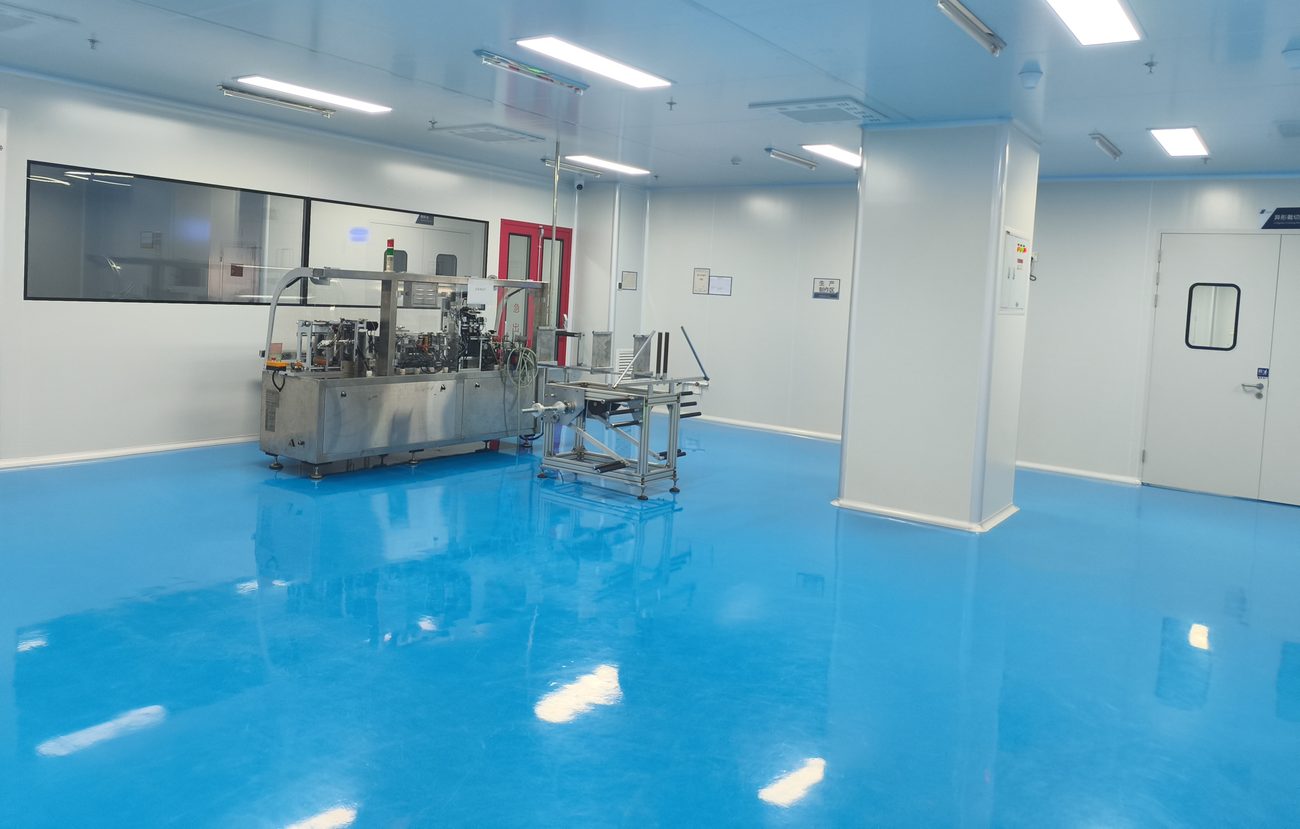 Inside our factory
Formulating them with an OEM
Chitosan and hypochlorous pads aren't off-the-shelf for most manufacturers. We've worked with both materials across our oil-and-acne range and can formulate them as stable, pleasant pre-soaked pads, choose a base that complements the active, and run trial batches before scaling — MOQ from 3,000, up to a million units a month. If you want to be the brand that launches a pad nobody can cross-shop, request a sample set on the treatment pads page.
Launch a pad nobody can cross-shop
We formulate chitosan and hypochlorous pads few makers offer, on the base you choose, with trial batches before you scale. Tell us your concept and we'll send samples.
Request free samples →Free sample set · 24-hour quote · MOQ from 3,000 · exclusive actives
Educational content for brand and product teams. Ingredient and claim information is general and varies by market regulation; finished-product claims should be confirmed against the rules of your target market. Yanse Cosmetics is a contract manufacturer (OEM/ODM) and does not sell finished consumer goods under its own brand.