Salicylic and azelaic acid are two of the most-requested actives for acne pads — but they do different jobs. Salicylic gets into the pore and tackles oil; azelaic works more on marks, redness and tone. Here's how they compare and how brands decide which to put in a pad.
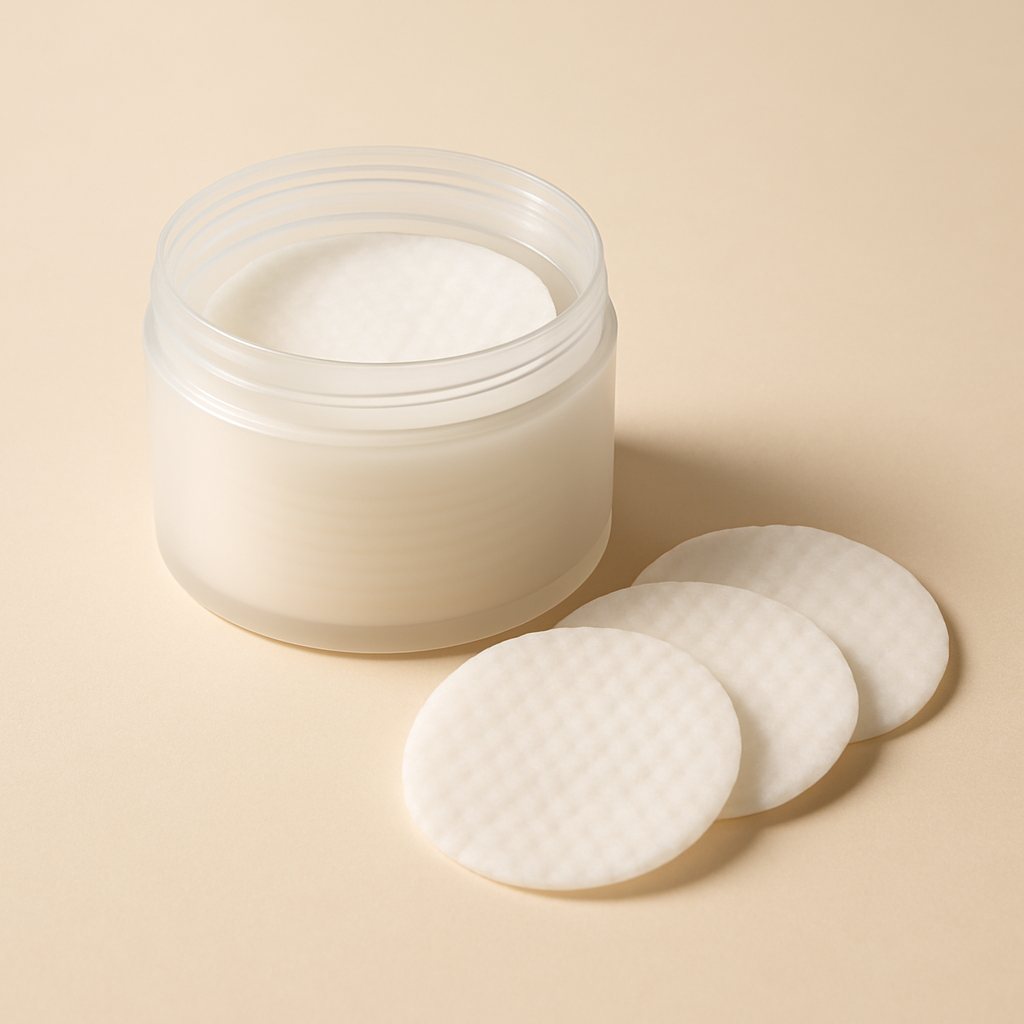 Sample image
The short answer
If the goal is oil control and clearing clogged pores, salicylic acid is the more direct tool. If the goal is post-blemish marks, redness and an even tone with a gentler feel, azelaic acid fits better. Many ranges carry both, aimed at different users or different steps.
How each active works
Salicylic acid (BHA)
Salicylic acid is oil-soluble, so it can penetrate sebum and help clear the inside of the pore. That makes it well suited to oily skin, blackheads and clogged-pore texture. It is one of the most familiar acne actives among consumers and is broadly supported by regulation, which is why it appears on so many shelves — and why a salicylic pad needs a strong base and supporting formula to stand out.
Azelaic acid
Azelaic acid is better associated with evening out post-blemish marks, calming visible redness and supporting a more uniform tone. It tends to feel gentler than stronger acids, which makes it a candidate for sensitive or reactive oily skin. It works more slowly and is less about stripping oil, more about clarity over time.
Side by side
| Salicylic acid pads | Azelaic acid pads | |
|---|---|---|
| Best for | Oil, clogged pores, blackheads, texture | Marks, redness, uneven tone |
| Solubility / action | Oil-soluble, works inside the pore | Works on surface tone and clarity |
| Feel | Can feel active; needs buffering | Generally gentle |
| Sensitive skin | Use lower tiers, soothing partners | Often tolerated well |
| Consumer familiarity | Very high | Growing, less universal |
| Shelf competition | Crowded | Less crowded |
| Typical pairing | Niacinamide, soothing agents | Niacinamide, panthenol |
Can you combine them?
They can appear in the same range and, with care, in the same formula — but combining strong actives raises the bar on buffering, pH and tolerance testing. A cleaner approach for many brands is a two-pad story: a salicylic pad for oil and clogged pores, and an azelaic pad for marks and tone. That gives a routine logic (clarify, then even out) and two clear talking points without overloading one product.
Both actives are pH- and concentration-sensitive. The pad base, soak ratio and buffering matter as much as which acid you pick — a well-built azelaic pad can outperform a poorly buffered salicylic one for the right user.
Which should a brand launch?
- Oily, congestion-led audience → lead with salicylic; add a gentle option for sensitive users.
- Post-acne, tone-and-redness audience → lead with azelaic; position as calming clarity.
- Broad range → carry both, plus one differentiated active (e.g. chitosan or hypochlorous) so the line isn't just 'more acids'.
- Sensitive-skin positioning → favour azelaic and PHA over high-strength salicylic.
Whichever you choose, the practical differentiator is rarely the acid itself — it's the base feel, the soothing supporting cast and a genuinely novel hero somewhere in the range. For more on standout actives, see the next-gen pad actives guide, and the wider format overview in the acne pads pillar.
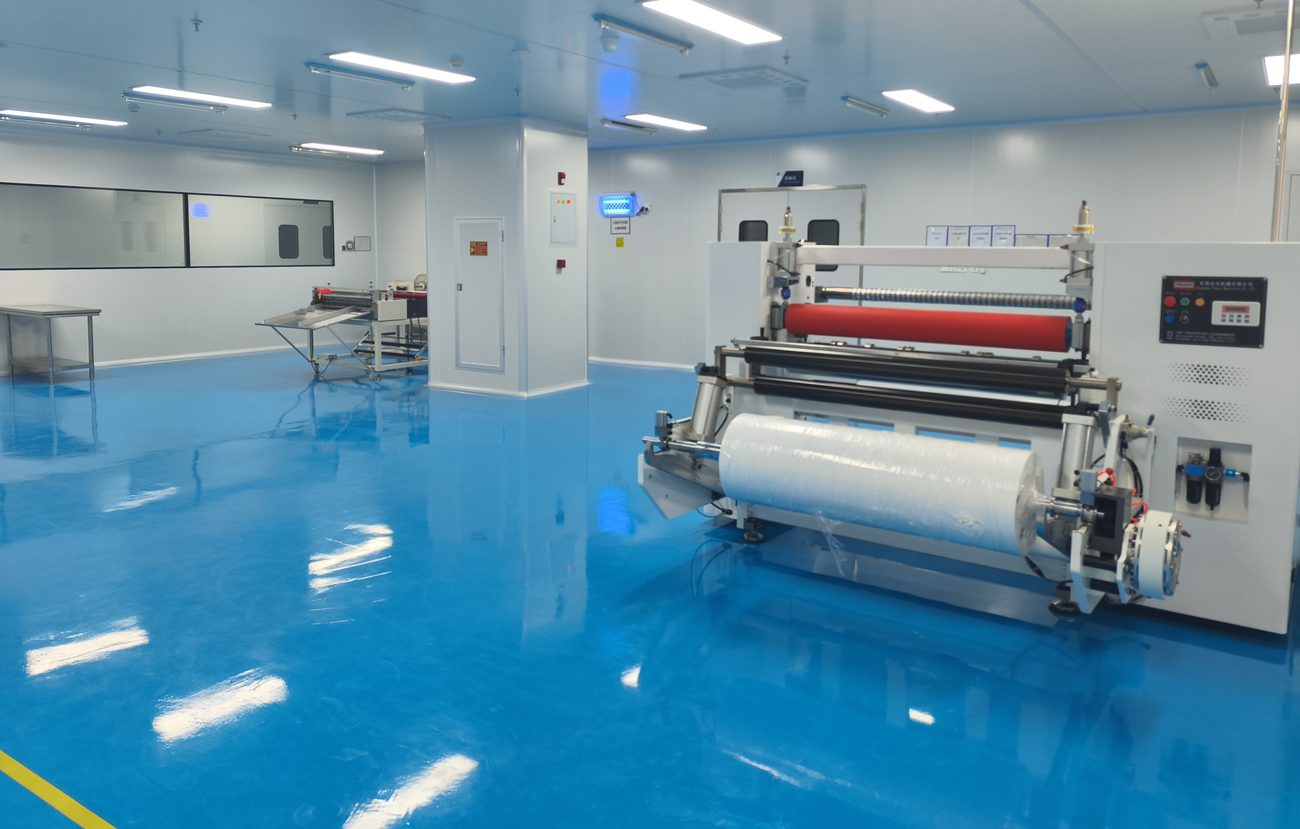 Inside our factory
Making either as an OEM
A specialist manufacturer can formulate both salicylic and azelaic pads at gentle-to-strong tiers, buffer them properly, choose the right base, and run trial batches before scaling. If you want to compare them in hand, request a sample set spanning both on the treatment pads page.
Compare both in hand
We formulate salicylic and azelaic pads at gentle-to-strong tiers, properly buffered, on the base you choose. Tell us your audience and we'll send a sample set spanning both.
Request free samples →Free sample set · 24-hour quote · MOQ from 3,000 · gentle-to-strong tiers
Educational content for brand and product teams. Ingredient and claim information is general and varies by market regulation; finished-product claims should be confirmed against the rules of your target market. Yanse Cosmetics is a contract manufacturer (OEM/ODM) and does not sell finished consumer goods under its own brand.