Toner pads are everywhere — which is exactly the problem for a new brand. A generic 'hydrating toner pad' competes on price; a well-specified pad for oily and acne-prone skin competes on results and story. This guide walks through the ingredient and format decisions an OEM brief should cover.
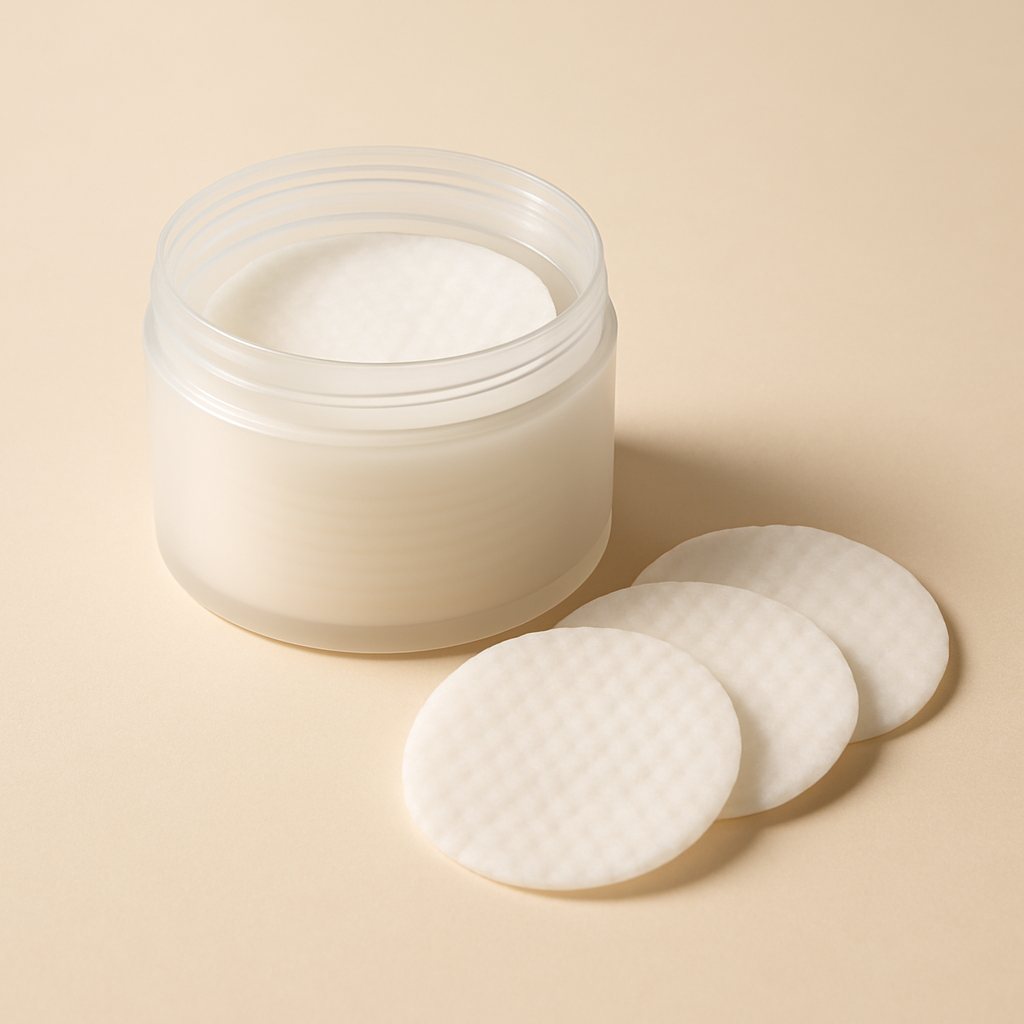 Sample image
Toner pad vs treatment pad — a useful distinction
'Toner pad' usually implies daily prep: light hydration, gentle tone-balancing, a quick sweep. 'Treatment pad' implies a job — clarifying, resurfacing, calming. For oily and acne-prone skin, the interesting space is the overlap: a daily-feeling pad that still does meaningful work. Deciding where your product sits on that line shapes every ingredient choice that follows.
Actives to specify for oily / acne-prone skin
A toner pad aimed at oily skin should earn its place beyond hydration. Common choices:
| Active | Role on oily / acne skin | Positioning |
|---|---|---|
| Salicylic acid (low %) | Light daily oil control, keeps pores clear | Clarifying daily |
| Niacinamide | Supports oil balance and a more even look | Balancing |
| PHA / gluconolactone | Gentle daily resurfacing, low sting | Smooth / sensitive |
| Azelaic (low %) | Tone and post-blemish marks | Clarity |
| Hypochlorous acid | Gentle, supports a calmer surface | Soothing / novel |
| Chitosan | Barrier-friendly film, clean finish | Barrier / novel |
| Humectants (glycerin, panthenol) | Hydration without heaviness | Comfort base |
A strong oily-skin toner pad usually combines a mild clarifying or resurfacing active with a comforting humectant base, so it controls oil without stripping. Avoid harsh astringents as the hero — the market has moved toward gentler oil control.
The base is your quality signal
With toner pads, the substrate is the first thing a customer judges. Specify it deliberately:
- Embossed dual-texture — a smooth side for patting essence and a textured side for gentle sweeping; reads premium.
- Soft spunlace or cotton — comfortable daily feel, low linting.
- Soak ratio — generous enough to feel essence-rich but not dripping; affects cost and perceived value.
- Size and thickness — larger pads feel generous; thinner pads improve unit economics for daily-use lines.
If your toner pad uses the same active and base as everyone else, you'll compete on price. The cheapest way to escape that is a distinctive active (chitosan or hypochlorous), a distinctive base texture, or a tightly defined audience — ideally two of the three.
How to differentiate beyond a generic toner pad
- Lead with a novel active. Chitosan and hypochlorous pads are rare on shelf and give a real reason to exist. See the next-gen actives guide.
- Own a specific audience. 'Daily oil-control pad for combination and acne-prone skin' beats 'toner pad for all skin types'.
- Engineer the experience. Dual-texture base, fragrance-free, satisfying soak — sensorial details drive repeat purchase.
- Build a routine, not a SKU. Pair a daily toner pad with a stronger treatment pad and an acne patch for a coherent oil-and-acne system.
What an OEM brief should include
To get accurate samples and a quote quickly, a brief should state:
- Skin story & audience — e.g. daily oil control for acne-prone combination skin.
- Hero active & tier — gentle / balanced / targeted, plus any must-have or must-avoid ingredients.
- Base preference — material, texture, size, soak feel.
- Pack format — jar count, travel tin, or single-use sachets for sampling/subscription.
- Commercials — target retail price, expected volume, and your launch markets (for claims and labelling).
- Brand cues — fragrance-free, vegan, embossing, sustainability requirements.
MOQ, samples and lead time
With us, pad MOQs start from 3,000 units per SKU and scale to a million units a month, with free representative samples (you cover shipping) and a 24-hour quote against a clear brief. We sign an NNN before any formula or brief is shared, and we don't reproduce a brand's private-label formula for anyone else. Lead times depend on actives, pack and volume — we confirm them with the quote.
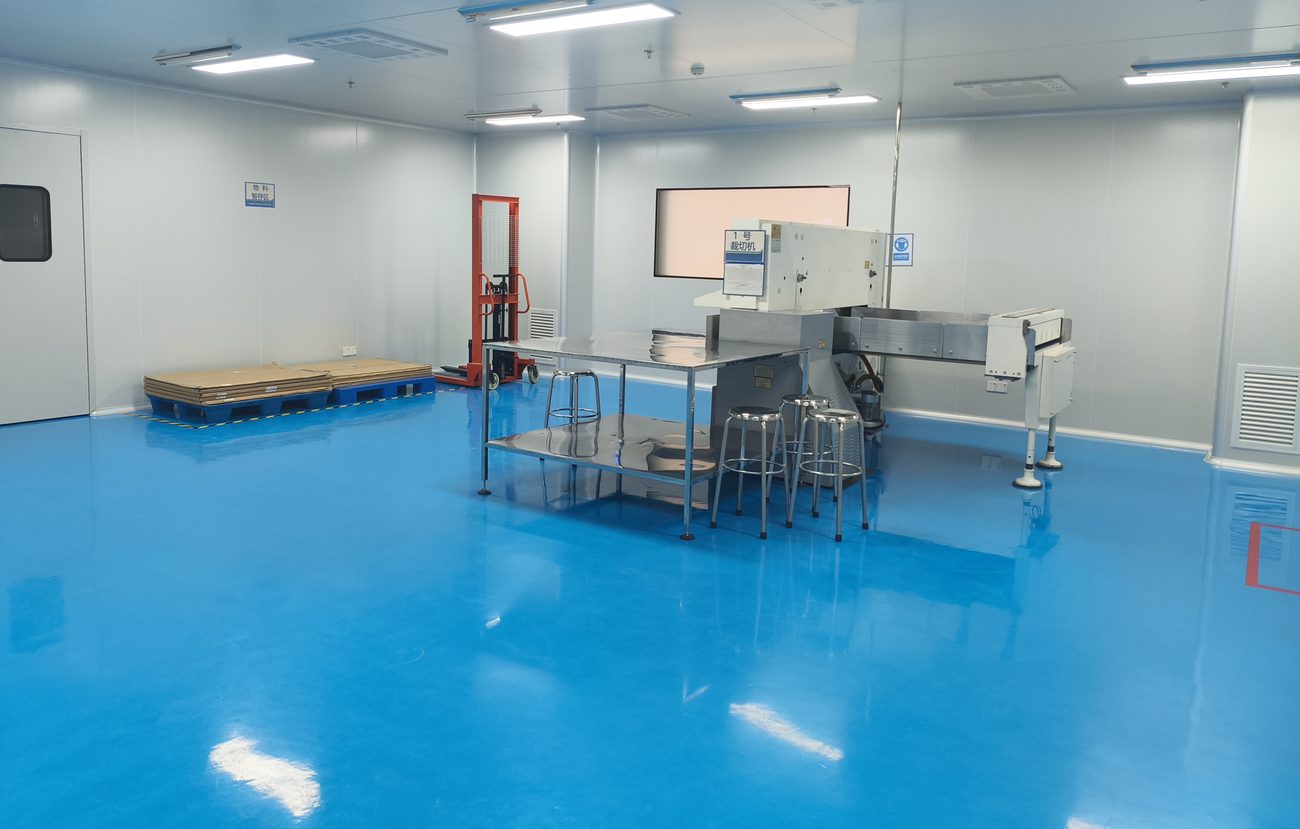 Inside our factory
Why a specialist matters
Because we've spent two decades on oil-control and acne products — blotting paper, acne patches and pads — a toner pad brief lands with a maker that already understands oily-skin chemistry and base feel. You can see the pad range and request a sample set on the treatment pads page, or start broader with the acne pads pillar guide.
Brief us on your toner pad
Tell us your audience, hero active, base and pack — we'll return samples and a 24-hour quote. Two decades of oil-control and acne expertise behind every formula.
Start your brief →Free sample set · 24-hour quote · MOQ from 3,000 to 1M/month · NNN signed
Educational content for brand and product teams. Ingredient and claim information is general and varies by market regulation; finished-product claims should be confirmed against the rules of your target market. Yanse Cosmetics is a contract manufacturer (OEM/ODM) and does not sell finished consumer goods under its own brand.